
Your cart is empty
Browse OfferingsLicensed & Affiliated


Ethio Coffee Import and Export PLC is a family-owned Ethiopian coffee exporter shipping green coffee beans to roasters, importers, and distributors worldwide.
© 2026 Ethio Coffee Import and Export PLC. All rights reserved.
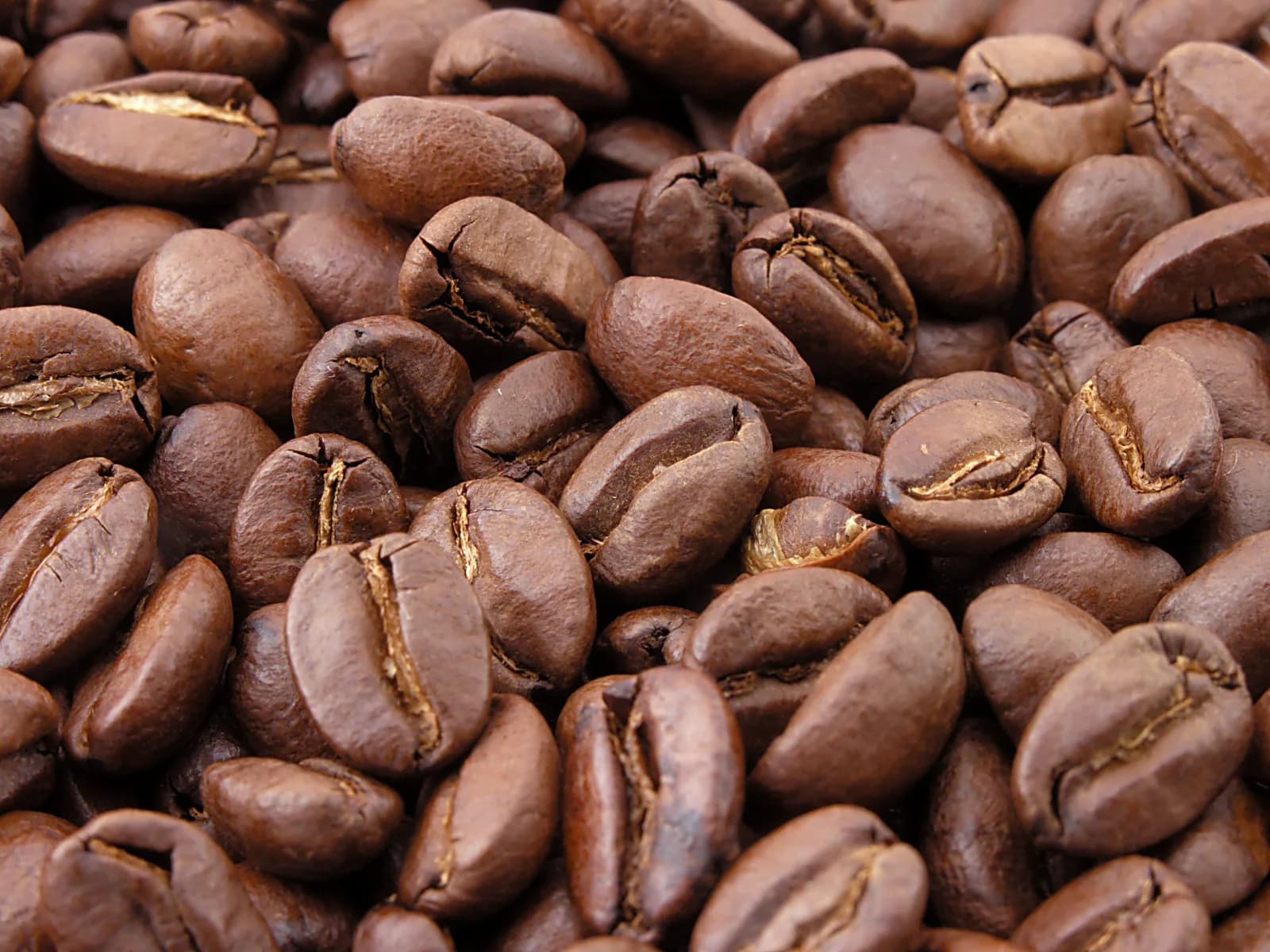
Coffee quakers are immature seeds that remain unusually pale after roasting. For a buying decision, inspect a representative, valid sample roast before removing any beans. Record the roasted sample mass, quaker count, identification rule, and cup results. Apply the agreed lot specification, then measure any proposed sorting loss and labor separately. A clean cup after hand sorting does not establish the quality or usable yield of the coffee as delivered.
Finding coffee quakers in a sample is a purchasing question before it becomes a sorting task. A roaster may love an Ethiopian lot after removing the pale beans, then discover that reproducing that cup consumes unbudgeted labor and saleable weight. An importer may receive a complaint supported only by a photograph, with no sample mass or roast record. Neither situation gives the parties enough evidence to price the problem or resolve it.
This workflow is for green coffee buyers, roastery quality teams, and exporters agreeing on lot acceptance. It follows the pale beans from first inspection to a documented decision. The focus is the quaker-specific evidence: what was counted, what was removed, how the remaining coffee performed, and who authorized any additional preparation.
A quaker is an immature coffee seed whose composition produces unusually limited browning during roasting. Pale color is a screening signal, not sufficient proof by itself. Check the sample roast and examine the suspected beans before attributing every light outlier to a defect at origin.
Begin with an accepted roast under your green coffee sample roasting protocol. A batch with a preparation fault cannot establish a reliable quaker result. Keep the inspection roast at the agreed endpoint; darkening the batch simply to make its appearance uniform changes the test.
Spread the cooled beans in a single layer under consistent neutral lighting. Separate conspicuously pale candidates from borderline lighter beans, retaining both groups. Photograph them beside the unsorted portion using fixed exposure and white balance where possible. A photograph taken under warm warehouse lighting should not become the reference for a laboratory inspecting under daylight lamps.
In his 2024 account of optical sorting at Prodigal, Scott Rao describes crushing suspect beans and checking their aroma, while warning that excessive color sorting can remove desirable coffee. Use that practical observation to investigate borderline beans. A peanut-like aroma can support the diagnosis, but a nutty cup descriptor alone does not prove quaker contamination.
Keep confirmed candidates and uncertain beans in separate labeled containers until the quality lead reviews them. If two inspectors classify the same beans differently, resolve the identification rule before calculating the lot result. Record the disagreement instead of concealing it inside a single precise-looking percentage.
Report the raw count and the mass of roasted coffee inspected before sorting. Record a count percentage only when you also count every bean in that portion. A count per unit mass, a percentage of beans, and a rejected mass percentage are different measurements.
Obtain the inspection portion using the representative green coffee sampling procedure, then follow the adopted method for roast quantity and repetitions. Do not remove unattractive green beans before roasting an acceptance sample. That would test a preparation the purchase may not include.
| Record | What to enter | Decision it supports |
|---|---|---|
| Roasted inspection mass | Actual grams before any beans are removed | Interpreting the raw count |
| Confirmed and borderline counts | Separate totals, identification reference, inspector | Recounting and resolving classification differences |
| Total bean count, if measured | All beans in the same inspected portion | Calculating quakers as a percentage by number |
| Rejected and retained mass | Weights after the specified sorting pass | Calculating sorting yield and checking mass balance |
| Method and sample identity | Lot, sample stage, roast log, date, lighting, repeat rule | Connecting the finding to the coffee being purchased |
For an illustrative counting exercise, suppose an inspected portion contains 500 beans, including 5 confirmed quakers. That is 1% by number. It is not necessarily 1% by weight, and it says nothing about quakers per 100 grams unless the portion was weighed. These are hypothetical arithmetic inputs, not acceptance limits.
Preserve individual results when the method calls for multiple portions. An average can conceal a concentration in one portion. Likewise, finding no quakers means none were observed in the inspected sample under that method; it does not prove that every bag in the lot is free of them. Use an agreed confirmation rule when a result sits near the acceptance boundary.
Taste the coffee in the condition that the specification requires. If additional sorting is being investigated, label that tasting as a separate preparation trial. A sensory improvement can justify further work, but it does not retrospectively change the original acceptance result.
Rabelo and colleagues' 2021 study in Food Chemistry tested quakers of different colors and concentrations in natural specialty coffee. For beans at Agtron 82.8 or lighter, the reported negative sensory effect began at 7 quakers in a cup containing 65 beans under the study conditions. The authors linked the sensory and color characteristics to immature-bean chemistry.
That experimental result is not a universal allowance for a commercial lot. It does not establish the same threshold for every Ethiopian coffee, brew recipe, panel, or definition of a quaker. The purchasing implication is to specify the counting method and sensory requirement independently. Do not turn a study-specific detection threshold into a promise that a particular percentage will be invisible to customers.
For a diagnostic sorting trial, reserve an unsorted portion and prepare another using a documented removal rule. Blind-code the cups and record the preparation behind each code. Keep normal brewing variables fixed and record whether the suspected flavor change recurs. The trial should explain what sorting achieves and what material it removes, without presenting the sorted result as the original coffee.
Agree in advance whether borderline beans belong in the reject stream. Otherwise a highly selective laboratory demonstration may produce a cup that the production team cannot reproduce economically. Write the chosen preparation and permitted variation into the green coffee lot specification before committing volume.
Ask which preparation the sample represents and what evidence connects it to the available lot. A washing-station name, a grade, or the presence of sorting equipment cannot independently establish the roasted quaker result. The exporter should connect origin preparation, final lot identity, and sample inspection.
Ethiopian lot reports illustrate why this needs attention. In its April 18, 2018 East Harar Crown Jewel report, Royal Coffee noted that roasting revealed some quakers and discussed development choices for that particular coffee. This is a historical lot observation, not an estimate of quaker prevalence in Ethiopian supply in 2026.
At each checkpoint, ask for an observable result rather than a broad quality assurance. These questions help an origin-connected exporter coordinate with cooperatives, washing stations, and dry mills without promising that green sorting can identify every bean that will roast pale.
If a mill reworks the coffee, ask for a new sample representing that preparation and confirm the remaining available quantity. Retain the original findings alongside the new result. The buyer needs to know both whether the intervention worked and whether the finished quantity still supports the planned product run.
Calculate sorting cost per retained kilogram using measured rejects, handling time, and the cost already invested in the roasted batch. Quaker count alone cannot supply that calculation. Additional color sorting may remove both defective and acceptable beans, so weigh the full reject stream.
Consider a roaster evaluating an Ethiopian natural for a recurring wholesale filter offering. The buyer likes the cup after sorting, but production must account for the extra operation. The following figures are hypothetical planning inputs created for this article in September 2026, not Ethio Coffee customer results, quoted prices, or typical quaker rates.
The starting cost was $12.00 per roasted kg. Under these assumptions, the sorting step adds approximately $0.99 per retained kg, an 8.2% increase before packaging, equipment allocation, or other uncounted costs. The 3% rejected mass is the entire sorting loss; it is not a verified quaker count percentage.
This is the commercial issue hidden by a low-looking reject percentage: material loss and labor both increase the cost of the coffee that remains. Time the sorting process at the intended operating speed and inspect the retained output. A careful sample tray does not demonstrate the throughput or accuracy of a production shift.
Keep this calculation downstream of the roast. The example starts with already-roasted mass and cost, so adding green-to-roasted weight loss again would double count it. If a machine performs the sorting, include its relevant operating and ownership allocation in the same numerator. Use the complete result when deciding whether the product margin can support the required preparation.
Release the lot only when valid evidence meets the agreed requirements. If the result fails or remains uncertain, state exactly what is on hold and which action will resolve it. Neither a favorable sorted cup nor a price discussion substitutes for a recorded quality decision.
A useful decision note states: lot and sample ID; inspection method; roasted mass; confirmed and borderline counts; sorting performed; cup findings; applicable requirement; disposition; and approver. Attach photographs and raw measurements. For an arrival disagreement, the green coffee quality claims workflow covers the wider evidence and communication process.
Coffee quakers become manageable when the buyer can connect identification, measurement, cup performance, and usable yield. Preserve the unsorted result, measure the proposed intervention, and agree on the preparation being purchased. That gives roasters and origin exporters a concrete basis for selecting coffee and resolving exceptions.
Share your quaker inspection method, intended product, and sorting capacity with Ethio Coffee Import and Export PLC. Our origin-connected export team can discuss available lots, sample preparation, and the specifications behind your purchase.
Some immature green beans show visible clues, but visual green inspection cannot reliably identify every bean that will roast pale. Use a representative sample roast under the agreed preparation method, then inspect the result. Record obvious candidates and borderline beans separately so another inspector can review the same classification.
Report the number found, the roasted sample mass before sorting, the identification rule, and the sample and roast references. Keep repeat portions separate. If reporting a percentage by number, count all beans in that portion. If reporting sorting loss, weigh the rejects and label the result as a mass percentage.
No. It means the inspector found none in the tested sample under the stated method. A finite sample cannot establish that every bean in a commercial lot is free of quakers. Interpret the result through the agreed sampling plan, preparation, inspection criteria, and any required confirmation procedure before releasing the lot.
Increasing roast development does not restore the composition of an immature seed. It can also change the surrounding coffee and make visual detection less consistent. Evaluate suspected quakers at the agreed roast endpoint, investigate the sensory effect, and address the preparation or purchasing specification instead of darkening the sample to obtain approval.
Follow the adopted evaluation method and disclose any removal. When testing coffee as delivered, preserve an unsorted result. A separate sorted trial can show the potential of additional preparation, but its cup result must remain attached to that preparation and its measured loss, rather than silently replacing the original lot assessment.
About This Insight: Published on Sep 7, 2026 by Ethio Coffee Import and Export PLC, an origin-connected Ethiopian coffee exporter. This article provides a buyer evaluation framework; the worked cost example is hypothetical. Apply the inspection method and acceptance requirements agreed for your lot.