
Your cart is empty
Browse OfferingsLicensed & Affiliated


Ethio Coffee Import and Export PLC is a family-owned Ethiopian coffee exporter shipping green coffee beans to roasters, importers, and distributors worldwide.
© 2026 Ethio Coffee Import and Export PLC. All rights reserved.
Connect destoning checks, rejected material and Ethiopian lot records before releasing roasted coffee.
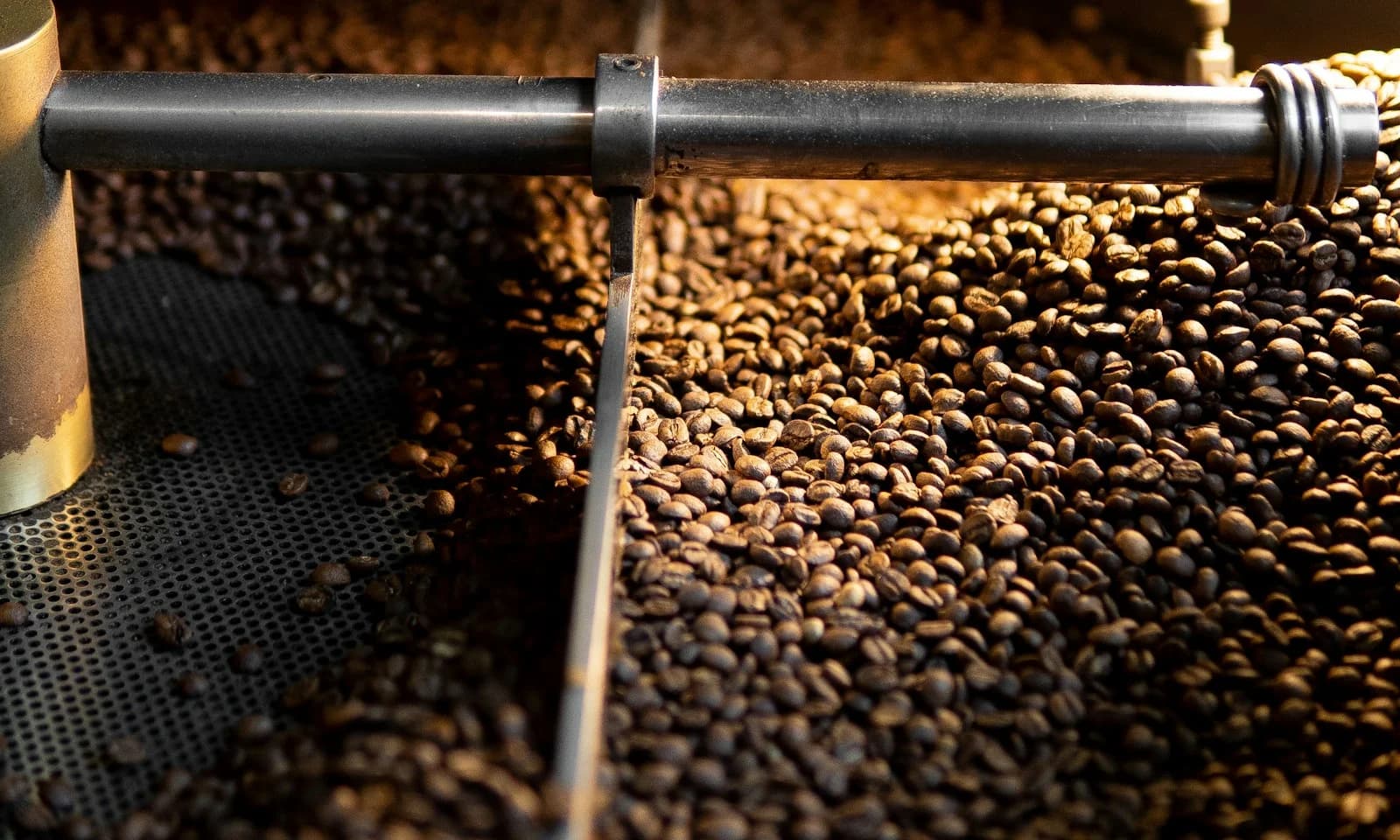
A coffee destoner earns its place in a wholesale roastery when the team can show what passed through it, which check confirmed its operation, and what happened to the rejected material. Finding a stone in the catch tray is useful evidence. Finding an empty tray proves very little unless the process was checked. Green buyers need that distinction before attributing a production finding to an Ethiopian shipment.
Use a coffee destoner within a documented control plan: identify the coffee and machine, confirm the approved operating conditions, check performance under the manufacturer's procedure, retain rejected-material evidence, and record who releases the output. Investigate a failed check across the affected production window. A successful check supports that defined operation; it does not guarantee removal of every possible foreign object.
A coffee destoner separates coffee from heavier foreign material under defined operating conditions. In a roasted-coffee suction system, airflow carries the beans onward while heavier objects collect separately. Confirm the intended feed material and installation point for your particular machine before writing the procedure.
PROBAT's specialty accessories documentation, accessed September 2026, describes this airflow separation for roasted coffee. A unit installed after cooling protects the downstream process; it cannot remove an object before that object has already passed through the roaster. Mark the actual control point on the production flow diagram.
The boundary also includes everything after separation. Open totes, damaged scoops, maintenance work and packaging equipment can introduce material downstream. Put lids, utensil inspection and line clearance into their own operating controls. A destoning entry should never silently stand for inspection of the entire packing room.
Avoid a blanket statement that all stones, all metal or all glass will be removed. Performance depends on the object and the validated process. Magnets do not capture every metal type, and destoning is not a substitute for whatever additional foreign-material controls the site has established. The approved scope should say what was demonstrated, with which coffee, and where its limits remain.
Create a named operating record for the machine, product and feed conditions. The record should let a second trained operator reproduce the approved setup and recognize an unauthorized change. A handwritten dial position without a machine ID or coffee identity cannot do that.
Loring's destoner specifications, accessed September 2026, explicitly identify variable speed settings for different bean sizes and densities. Treat a materially different product, a repair or an altered transfer path as a reason to review applicability. Do not infer settings from an origin name such as Guji or Sidamo.
SOVDA's May 2026 destoner commissioning instructions use test material, inspection of collected rejects and iterative adjustment; they also advise using coffee that will not be sold. Follow the procedure for your own model. Its settings and acceptance details must not be copied onto a different machine.
Where a manufacturer-directed test introduces foreign objects, use an isolated, documented test with trained personnel. Identify and reconcile every test piece, contain all output, and complete the approved clearance before commercial production resumes. Missing test material is an unresolved failure. Do not improvise a challenge by putting loose stones into saleable coffee.
Link each check to the batches it covers and record the result before releasing those batches. Set the check frequency through the site's equipment and quality procedures, including relevant changeovers and maintenance. A signature at the end of the day is insufficient when nobody can identify the coffee made since the last satisfactory check.
Before startup, confirm that the previous product and reject record are closed. Inspect accessible parts under the manufacturer's safe shutdown procedure, verify that collectors are correctly fitted, and confirm the intended output route. Record unresolved damage or an unexplained setting change before loading coffee.
During production, keep batch identity attached to the discharge container. Log interruptions, adjustments and any bypass. Do not count a batch as destoned solely because it was scheduled for that route. If operators transfer coffee manually, record that transfer at the point it occurs rather than reconstructing it from the packing total.
| Finding | Immediate record and decision |
|---|---|
| Satisfactory scheduled check | Identify covered batches and continue within the approved scope. |
| Check fails or test piece is missing | Stop release, contain affected output and investigate from the last verified satisfactory state. |
| Object found after destoning | Preserve the object and package identity; examine separation and downstream handling. |
| Unexpected coffee in reject collection | Record the quantity and context; assess process performance before changing settings. |
A successful restart check does not retrospectively clear earlier output. The quality lead must document the affected interval and disposition separately. If the last reliable checkpoint is uncertain, widen the hold until records justify narrowing it. Any already-dispatched product belongs in the company's established incident process.
Send the exporter a traceable observation rather than a photograph labeled only with the coffee's regional name. The useful record connects an object to its discovery point, production batch and original green lot. This allows an origin team to investigate preparation records without assuming the object entered at origin.
First, preserve the export lot reference alongside any roastery stock code. A regional name, washing-station name or product label may continue across separate allocations. Ask the exporter to confirm which final preparation run and bagged lot the code represents. Keep that mapping when a single green lot supplies several roasted products.
Second, ask whether the supporting sample represents the final bagged preparation. An offer sample and a final shipment reference can describe different stages. A clean sample does not prove the absence of sparse foreign material across every bag. Our Ethiopian dry milling overview explains the preparation stages without turning a sample result into a whole-lot guarantee.
Third, retain the location and timing of discovery. Material found while opening an identified bag offers different evidence from material collected after multiple batches shared a tote. Connect receiving observations through the green coffee receiving inspection record; preserve batch separation when running a supplier investigation.
Photograph the object with a scale reference and label its sealed evidence container. Include the batch IDs, bag references where known, collection interval, machine check status and downstream steps already completed. Separate observed facts from proposed causes. If the evidence supports a commercial claim, use the green coffee quality claims workflow for the formal notice.
Track foreign objects and coffee rejected as separate observations. A lower catch count might reflect cleaner input, weaker separation or a different collection interval. A higher count might reflect better capture. Neither number establishes supplier quality without consistent checks and a known quantity processed.
Use a repeatable classification: intact coffee, coffee fragments, identified foreign material and unresolved material. Record the basis for any weight, including the scale resolution and collection interval. Preserve unusual objects separately rather than burying their identity in a single waste weight.
For an internal process trend, divide coffee collected in the reject stream by roasted coffee fed during the same interval. Express the result as a percentage and retain both raw weights. This is a measure of coffee diverted from normal output, not a contaminant-removal efficiency or a safety acceptance limit.
For example, a hypothetical September 2026 run feeds 240.0 kg of roasted coffee and collects 0.36 kg of coffee in rejects. The diverted-coffee rate is 0.15 percent. If the collector also contains foreign objects, describe and record them separately; adding their mass to the coffee figure changes what the metric means.
Do not return coffee from a contaminated reject collection to saleable stock to improve the percentage. Disposition belongs to the approved quality procedure. Keep destoning observations connected to the broader roast and saleable yield record, while retaining the separation-stage detail needed to diagnose losses.
Contain the coffee covered by the uncertain operating period before deciding whether it needs reprocessing. Restore a verified setup, then make a separate disposition decision for the held output. The following September 2026 scenario is hypothetical and illustrates record design, not a reported Ethio Coffee customer incident.
A wholesale roaster runs six batches of one Ethiopian lot through its destoner, with 40 kg of roasted input per batch. The startup check is satisfactory. Before the next scheduled check, an operator notices that a setting no longer matches the approved record, and the team cannot establish when it changed. All six batches remain on site in identified containers.
The quality lead holds all 240 kg of input-equivalent production pending reconciliation, rather than assuming only the latest batch is affected. The team records 239.58 kg in output containers, 0.36 kg of coffee in rejects, 0.02 kg of foreign material and 0.04 kg of documented retained material. Those quantities total 240.00 kg. The mass balance accounts for material; it does not prove the output is free of foreign objects.
After the cause of the setting change is addressed, the machine passes the prescribed performance check. Held output stays blocked until the quality lead approves a suitable disposition. Any authorized reprocessing receives a new run reference linked to the original six batches, followed by the required review before packing.
The 0.02 kg collection is photographed and described, but no removal-efficiency percentage is calculated because the original contamination quantity is unknown. The exporter receives the green lot reference and collection context. The roastery also corrects access to the setting control and records adjustment authority, closing the local process gap regardless of where the foreign material originated.
A useful destoner record connects identity, operating evidence and disposition on one page. Keep detailed maintenance and manufacturer instructions in their controlled documents, with references from the batch record. The production sheet should remain short enough to complete during a busy shift.
Review records for patterns by machine, product and green lot. Repeated setting deviations need an operating response; repeated objects tied to one identified preparation need an upstream investigation. Keep both routes open until the evidence supports a cause. Avoid ranking suppliers using catch counts collected under different equipment conditions.
A coffee destoner becomes a dependable part of roastery control when its operating evidence follows the coffee. Define the boundary, preserve batch identity, investigate failed checks and close the release decision in writing. That discipline gives production teams and Ethiopian sourcing teams a shared record they can act on.
Share your product brief and lot-documentation needs with Ethio Coffee. Request available samples and preparation information so your buying and production teams start with the same coffee identity.
No. An empty tray only records what was collected during that interval. It cannot show whether the input was clean or the separation was ineffective. Interpret the observation alongside the approved setup, performance checks, quantity processed and downstream findings. Preserve the check record before drawing a conclusion about the lot.
Review settings when the product moves outside the approved operating scope, after relevant maintenance or configuration changes, and when checks or observations indicate a problem. Follow the specific machine procedure. Record the reason, authorized adjustment and verification result so later batches can be linked to the correct setup version.
Weigh coffee collected in the reject stream separately from foreign material and relate it to roasted input over the same interval. Keep the raw weights, collection period and scale details. The resulting percentage tracks diverted coffee; it does not measure contaminant removal or establish whether finished output can be released.
Provide the green lot reference, associated roast batches, discovery point, collection interval, photographs and retained object identification. Include machine check status and any shared handling containers. These details help separate an origin preparation question from a local handling issue without assigning responsibility before the evidence has been reviewed.
About This Insight: Published on Sep 26, 2026 by Ethio Coffee Import and Export PLC, an origin-connected Ethiopian coffee exporter. This proposed record framework connects buyer production findings with lot-specific sourcing information; machine instructions and site release procedures govern implementation.